Foot and ankle pain can interfere with your daily routine, making even simple activities like walking, standing, or exercising uncomfortable. While surgery is sometimes necessary for severe conditions, many individuals can find lasting relief through non-surgical foot treatment options. These conservative approaches focus on reducing pain, restoring mobility, and promoting natural healing without the risks and downtime associated with surgery.
In this article, we’ll explore effective non-invasive solutions, including regenerative care, modern foot treatment techniques, and practical foot care strategies you can incorporate into your daily life.
Understanding Foot and Ankle Pain
Before choosing the right treatment, it’s important to understand the cause of your discomfort. Common conditions that lead to foot and ankle pain include:
- Plantar fasciitis
- Achilles tendonitis
- Sprains and strains
- Arthritis
- Flat feet or high arches
- Nerve-related conditions
Many of these issues respond well to non-surgical approaches, especially when addressed early.
Benefits of Non-Surgical Foot Treatment
Opting for a non-surgical foot treatment plan offers several advantages:
- Minimal risk compared to surgical procedures
- Faster recovery time
- Lower cost
- No anesthesia or hospital stay required
- Focus on long-term healing and prevention
These treatments aim not only to relieve symptoms but also to address the root cause of the problem.
Physical Therapy and Rehabilitation
One of the most effective forms of foot treatment is physical therapy. A structured rehabilitation program can:
- Strengthen muscles and ligaments
- Improve flexibility and range of motion
- Correct imbalances and walking patterns
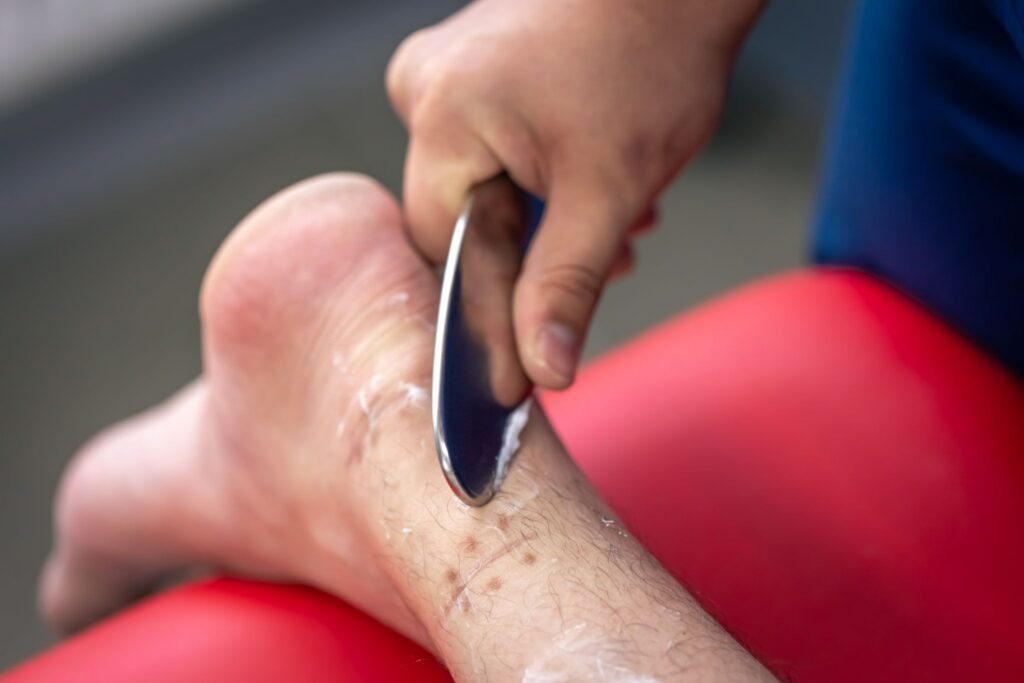
Therapists often use targeted exercises, stretching routines, and manual therapy techniques to restore function. Over time, this can significantly reduce pain and prevent recurrence.

Orthotics and Supportive Footwear
Improper foot mechanics are a major contributor to pain. Custom orthotics or supportive shoes can help:
- Redistribute pressure across the foot
- Improve alignment
- Reduce strain on ligaments and joints
Whether you have flat feet, high arches, or uneven gait, proper support is a cornerstone of effective foot care.
Regenerative Care Treatments
A growing area in non-invasive medicine is regenerative care, which focuses on enhancing the body’s natural healing abilities. These treatments may include:
- Platelet-rich plasma (PRP) therapy
- Stem cell therapy
- Soft tissue regeneration techniques
These therapies aim to repair damaged tissues rather than simply masking pain. For chronic conditions like tendon injuries or plantar fasciitis, regenerative care can offer long-term improvement without surgery.
Chiropractic and Manual Adjustments
For some patients, misalignment in the foot or ankle joints contributes to pain. Chiropractic care and manual adjustments can:
- Restore proper joint alignment
- Improve mobility
- Reduce inflammation
This approach is particularly useful when foot pain is linked to issues in the knees, hips, or lower back.
Anti-Inflammatory Treatments
Inflammation is often at the root of foot pain. Non-surgical methods to manage inflammation include:
- Ice therapy
- Compression techniques
- Elevation
- Over-the-counter anti-inflammatory medications (as recommended by a healthcare provider)
Reducing inflammation can significantly ease discomfort and accelerate healing.
Lifestyle Modifications and Preventive Foot Care
Simple lifestyle changes can make a big difference in managing and preventing foot pain. Consider the following foot care tips:
- Maintain a healthy weight to reduce pressure on your feet
- Stretch before and after physical activity
- Avoid prolonged standing when possible
- Replace worn-out shoes regularly
- Practice good posture and walking habits
Consistency with these habits supports long-term relief and reduces the likelihood of recurring issues.
When to Seek Professional Help
While many cases improve with at-home care, persistent or worsening pain should not be ignored. Seek professional evaluation if you experience:
- Pain lasting more than a few weeks
- Swelling or bruising that doesn’t improve
- Difficulty walking or bearing weight
- Numbness or tingling
Early intervention can prevent minor issues from becoming more serious conditions.
Conclusion
Foot and ankle pain doesn’t always require surgery. With the right combination of non-surgical foot treatment, regenerative care, and consistent foot care, many individuals can achieve lasting relief and improved mobility.
If you’re dealing with persistent discomfort, exploring conservative treatment options is a smart first step. A personalized plan tailored to your condition can help you stay active, pain-free, and confident in your daily movements.
Ready to take the next step toward pain relief? Contact our team today at (610) 822-3900 to schedule a consultation and discover how our customized non-surgical foot treatment solutions can help you get back on your feet—comfortably and confidently.