Foot pain can significantly affect mobility, comfort, and overall quality of life. From plantar fasciitis to nerve-related discomfort, many patients are now exploring modern, non-invasive solutions for relief. One of the most talked-about options today is laser therapy.
But how effective is it really for foot conditions? Let’s take a closer look at how laser therapy for foot issues works, what conditions it may help with, and whether it’s worth considering as part of a treatment plan.
What Is Laser Therapy?
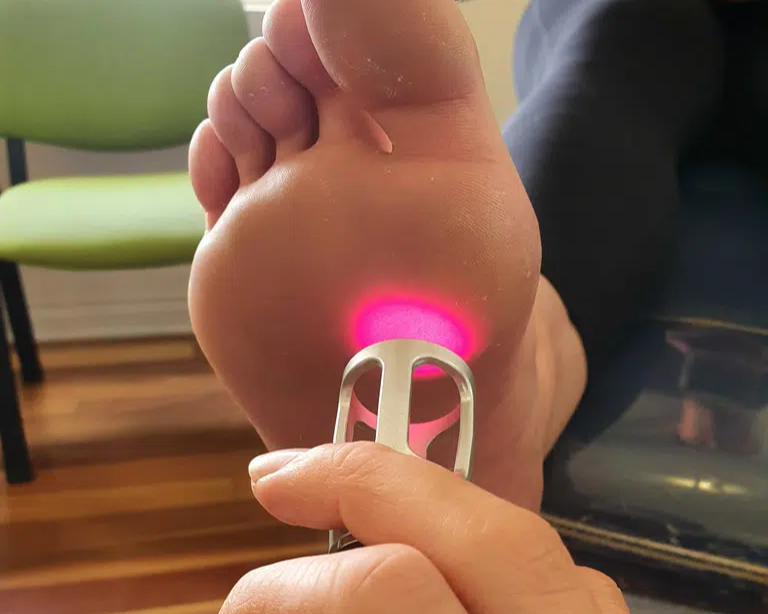
Laser therapy is a non-invasive treatment that uses focused light energy to stimulate healing in damaged tissues. It is often referred to as low-level laser therapy (LLLT) or cold laser therapy because it does not generate heat that damages the skin.
Instead, the light penetrates deep into tissues to help:
- Increase blood circulation
- Reduce inflammation
- Stimulate cellular repair
- Decrease pain signals
This makes it a popular option for musculoskeletal and soft tissue conditions, especially in the feet and ankles.
How Laser Therapy Works for Foot Pain
When used as a laser foot therapy, the light energy targets injured or inflamed tissues in the foot. The cells absorb this light and respond by increasing energy production (ATP), which supports faster healing.
In simpler terms, it helps your body repair itself more efficiently.
Depending on the condition, a provider may use different settings and treatment durations to target specific areas such as:
- Heel (plantar fasciitis)
- Arch of the foot
- Achilles tendon
- Nerve pathways in cases of neuropathy
Most sessions are quick, usually lasting 5–15 minutes per foot, and require no downtime afterward.
Conditions That May Benefit from Laser Therapy
Laser therapy treatment is commonly used for a variety of foot-related issues, including:
1. Plantar Fasciitis
One of the most common causes of heel pain. Laser therapy may help reduce inflammation in the plantar fascia and promote tissue repair.
2. Achilles Tendinitis
Helps decrease pain and swelling in the Achilles tendon, especially in overuse injuries.
3. Neuropathy (Nerve Pain)
Some patients report improvement in burning, tingling, or numbness when laser therapy is applied to affected nerve areas.
4. Arthritis in the Foot
May help reduce joint inflammation and stiffness associated with osteoarthritis.
5. General Foot Pain or Overuse Injuries
Athletes and active individuals often use laser therapy to speed up recovery and reduce discomfort.
Benefits of Laser Therapy for Foot Conditions
Many patients choose laser therapy for foot problems because it is:
✔ Non-Invasive
No needles, injections, or surgery required.
✔ Drug-Free
Reduces reliance on pain medications or anti-inflammatories.
✔ Quick and Convenient
Sessions are short and can often be done during a lunch break.
✔ Minimal to No Side Effects
Most patients experience little to no discomfort during treatment.
✔ Supports Natural Healing
Instead of masking pain, it works with your body’s healing processes.
Is Laser Therapy Effective?
The effectiveness of laser therapy treatment depends on the condition being treated, its severity, and how consistently the therapy is applied.
What research suggests:
- Many studies show reduced pain and inflammation in soft tissue injuries
- Some patients experience improved mobility and function
- Results are often better when combined with other treatments like stretching, orthotics, or physical therapy
However, it’s important to understand that laser therapy is not a “quick fix.” It works best as part of a comprehensive treatment plan rather than a standalone cure.
What to Expect During Treatment
If you’re considering laser therapy treatment, here’s what a typical session looks like:
- The provider identifies the painful or affected area
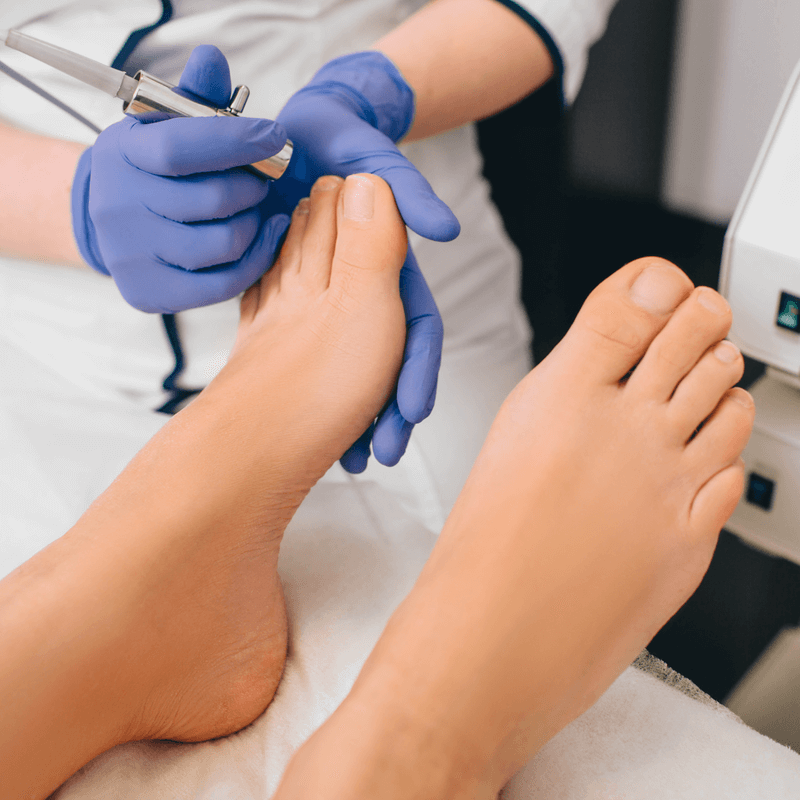
- A handheld laser device is placed over the skin
- Light pulses are delivered for several minutes
- You may feel mild warmth or nothing at all
- You can resume normal activity immediately afterward
Most treatment plans involve multiple sessions over several weeks for best results.
Are There Any Risks?
Laser therapy is generally considered safe when performed by a trained professional. Side effects are rare but may include:
- Temporary mild redness
- Slight soreness in the treated area
- Inconsistent results depending on condition severity
It is not typically recommended for individuals with certain cancers or those who are pregnant without medical clearance.
Laser Therapy vs. Traditional Treatments
Compared to conventional approaches like medications, injections, or surgery, laser therapy for foot conditions offers a gentler alternative.
| Treatment Type | Pros | Cons |
|---|---|---|
| Medication | Quick pain relief | Possible side effects, temporary |
| Injections | Strong anti-inflammatory effect | Invasive, repeated procedures |
| Surgery | Long-term correction (in severe cases) | Recovery time, higher risk |
| Laser Therapy | Non-invasive, supports healing | Requires multiple sessions |
For many patients, laser therapy fits best in the early to moderate stages of foot conditions.
Who Is a Good Candidate?
You may be a good candidate for laser foot therapy if you:
- Have chronic or recurring foot pain
- Want to avoid surgery or injections
- Are recovering from a soft tissue injury
- Have not responded well to conservative care alone
A proper evaluation by a healthcare provider is essential to determine if it’s right for your condition.
Final Thoughts
Laser therapy is an increasingly popular option for treating foot pain due to its non-invasive nature and ability to support the body’s natural healing process. While it may not replace all traditional treatments, it can be a valuable part of a comprehensive care plan for many patients.
If you are struggling with persistent foot discomfort, exploring laser therapy for foot conditions may be a worthwhile step toward recovery and improved mobility.Ready to find out if laser therapy is right for you?
Schedule a consultation with a qualified foot care provider today and take the first step toward long-term relief and better movement.