

Heel pain can make even the simplest activities—like getting out of bed in the morning or walking across a parking lot—feel uncomfortable. Two of the most common causes of heel pain are heel spurs and plantar fasciitis. While these conditions are often mentioned together, they are not the same thing.
If you’ve been searching for answers about heel spurs vs plantar fasciitis, this guide will break down the differences, symptoms, causes, diagnosis, and treatment options so you can better understand what might be causing your discomfort.
What Is Plantar Fasciitis?
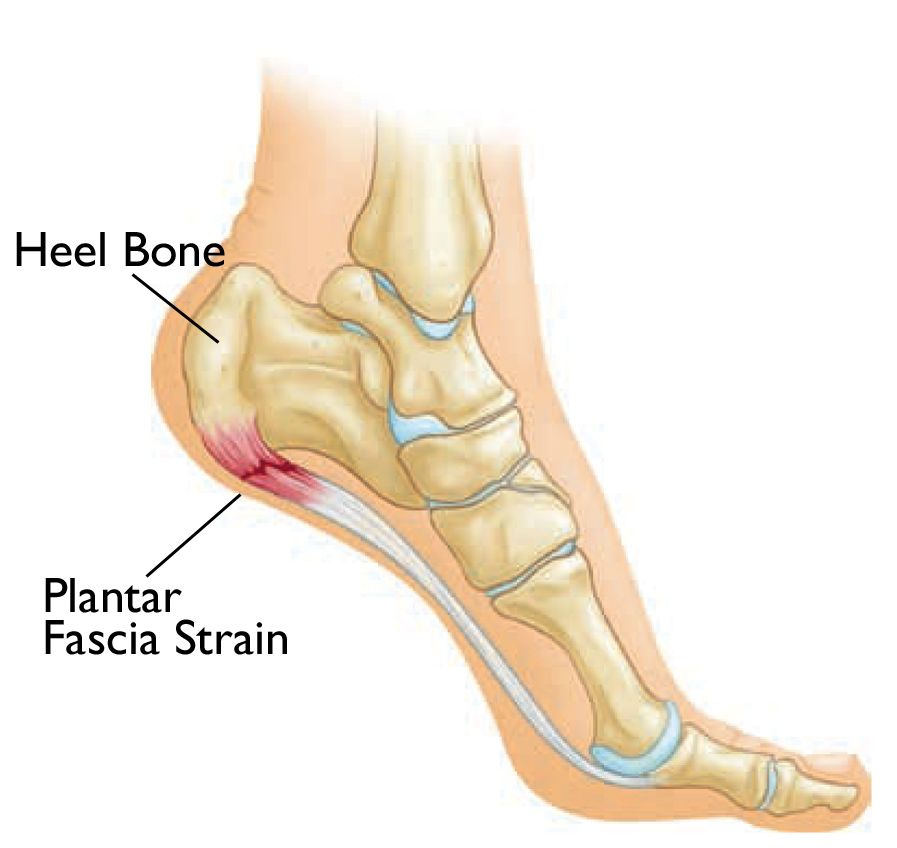
Plantar fasciitis is one of the most common causes of heel pain. It occurs when the plantar fascia—a thick band of tissue that runs along the bottom of your foot from your heel bone to your toes—becomes inflamed or irritated.
The plantar fascia supports the arch of your foot and acts like a shock absorber. When it’s strained repeatedly, tiny tears can develop, leading to inflammation and pain.
Common Symptoms of Plantar Fasciitis
- Sharp, stabbing pain in the bottom of the heel
- Pain that is worse in the morning (often called “first-step pain”)
- Discomfort after long periods of sitting
- Heel pain after exercise (not usually during it)
- Tightness in the Achilles tendon
Morning heel pain is one of the most classic signs of plantar fasciitis. Many patients describe the sensation as stepping on a nail or experiencing a deep bruise in the heel.
What Are Heel Spurs?
A heel spur is a bony growth that forms on the underside of the heel bone (calcaneus). It develops over time due to repeated strain on the foot’s muscles and ligaments.
Heel spurs are typically detected on an X-ray. Interestingly, many people have heel spurs and don’t even know it because they don’t cause pain.
Common Symptoms of Heel Spurs
- Localized pain at the bottom of the heel
- Inflammation and swelling in the heel area
- Tenderness when pressing on the heel
- Pain that may feel like a small knife sticking into the bottom of the foot
However, it’s important to understand that heel spurs themselves are not always the direct cause of pain. In many cases, the discomfort comes from associated soft tissue inflammation—often plantar fasciitis.
Heel Spurs vs Plantar Fasciitis: The Key Differences
Although these two conditions are closely related, they are not interchangeable. Here’s how they differ:
1. Nature of the Condition
- Plantar fasciitis is inflammation of soft tissue.
- Heel spurs are bony growths.
2. Cause of Pain
- In plantar fasciitis, pain comes from inflamed or micro-torn fascia.
- In heel spurs, pain may result from irritation of surrounding tissues rather than the spur itself.
3. Diagnostic Imaging
- Plantar fasciitis is typically diagnosed based on symptoms and physical exam.
- Heel spurs are visible on X-rays.
4. Prevalence
- Plantar fasciitis is more commonly the primary cause of heel pain.
- Heel spurs often develop as a secondary response to long-term plantar fasciitis.
When comparing heel spurs vs plantar fasciitis, the biggest takeaway is this: most heel pain is caused by plantar fasciitis, not the heel spur itself.
Can You Have Both Conditions?
Yes. In fact, many people with chronic plantar fasciitis eventually develop heel spurs.
When the plantar fascia repeatedly pulls on the heel bone, the body may respond by depositing calcium at the attachment site. Over time, this calcium buildup forms a spur.
However, not everyone with plantar fasciitis develops a heel spur, and not everyone with a heel spur experiences pain.
Causes and Risk Factors
Both conditions share similar risk factors because they involve repetitive strain on the foot.
Common Causes of Plantar Fasciitis
- Overuse or repetitive stress
- Running or high-impact sports
- Flat feet or high arches
- Poor footwear
- Tight calf muscles
- Obesity
Common Causes of Heel Spurs
- Chronic plantar fasciitis
- Long-term stress on foot ligaments
- Abnormal walking patterns
- Standing for long periods
- Inadequate arch support
If you stand on hard surfaces for extended hours or wear unsupportive shoes, you increase your risk for both conditions.
Treatment Options for Plantar Fasciitis
Most cases of plantar fasciitis respond well to conservative (non-surgical) treatment.
1. Rest and Activity Modification
Reducing high-impact activities can allow inflammation to calm down.
2. Stretching Exercises
Stretching the plantar fascia and calf muscles improves flexibility and reduces strain.
3. Ice Therapy
Applying ice can reduce inflammation and relieve heel pain.
4. Supportive Footwear
Shoes with good arch support and cushioning are essential. Custom orthotics may also help.
5. Night Splints
Night splints keep the foot in a stretched position during sleep, reducing morning heel pain.
6. Physical Therapy
Targeted therapy can strengthen foot and ankle muscles.
7. Shockwave Therapy
Extracorporeal shockwave therapy (ESWT) stimulates healing in chronic cases of plantar fasciitis.
Treatment Options for Heel Spurs
Treatment for heel spurs often overlaps with plantar fasciitis treatment.
Because heel spurs are commonly associated with soft tissue inflammation, addressing the underlying strain is key.
Conservative Treatments Include:
- Rest and reduced impact activities
- Stretching programs
- Orthotic inserts
- Anti-inflammatory medications
- Physical therapy
Surgical Treatment
Surgery to remove a heel spur is rare and only considered if conservative treatment fails after many months. In most cases, pain improves without needing spur removal.
Heel Spurs vs Plantar Fasciitis: Which One Do You Have?
If you’re comparing heel spurs vs plantar fasciitis, remember:
- Plantar fasciitis is the most common cause of heel pain.
- Heel spurs are bony growths that may or may not cause discomfort.
- Many people have heel spurs without symptoms.
- Pain is usually due to inflammation, not the spur itself.
A proper evaluation is essential to determine the root cause of your heel pain.
Final Thoughts on Heel Spurs vs Plantar Fasciitis
Understanding the difference between heel spurs vs plantar fasciitis is crucial for getting the right treatment. While they are closely related and often occur together, they are distinct conditions.
Most heel pain stems from inflammation of the plantar fascia rather than the presence of a heel spur. Fortunately, conservative treatments—like stretching, supportive footwear, physical therapy, and shockwave therapy—are highly effective for both conditions. If heel pain is limiting your mobility or affecting your quality of life, don’t ignore it. Early intervention can help you return to comfortable, pain-free movement sooner.
Call us today at (610) 822-3900 to schedule your consultation and take the first step toward relief.