
Heel pain can make even the simplest movements—like taking your first steps in the morning or standing for long periods—feel uncomfortable and frustrating. Many people try rest, stretching, or different shoes, but the pain often returns when the underlying issue isn’t fully addressed. One treatment that has gained attention in recent years is shockwave therapy for heel pain, a non-invasive approach that aims to stimulate the body’s natural healing response in the affected area.
Shockwave therapy for heel pain uses targeted acoustic waves to help improve circulation, reduce inflammation, and encourage tissue repair in the heel. This treatment is commonly recommended for persistent conditions such as plantar fasciitis or chronic heel strain that haven’t improved with traditional heel pain treatment methods. Because it doesn’t require injections or downtime, many patients are interested in whether shockwave treatment for heel pain can provide lasting relief and help them return to normal daily activities.
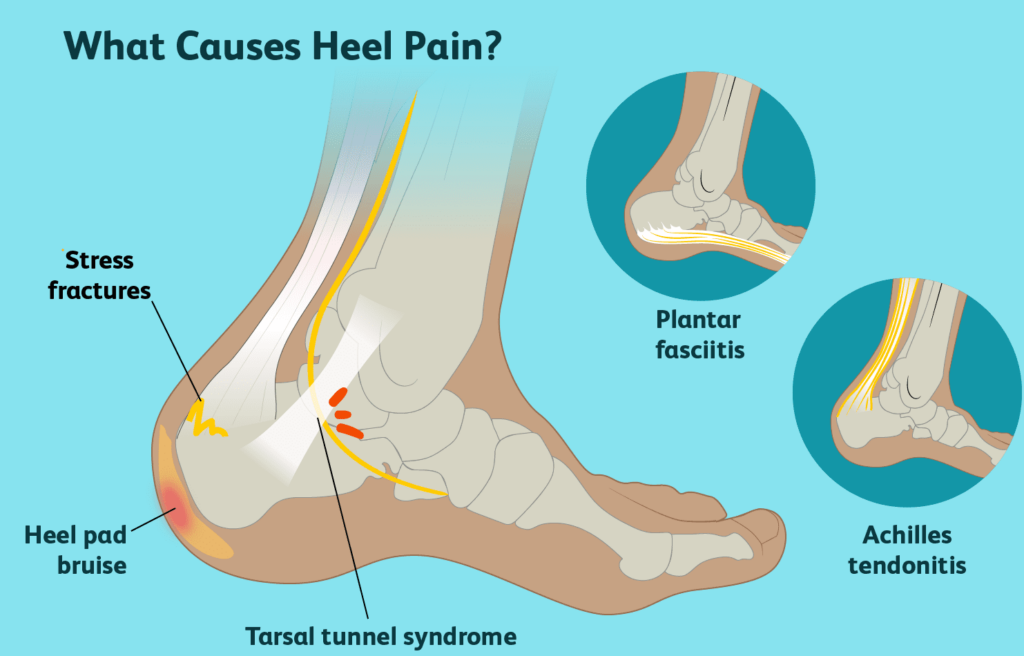
What Causes Heel Pain?
Heel pain is one of the most common reasons people visit a podiatrist. The most frequent cause is Plantar Fasciitis, a condition where the thick band of tissue along the bottom of the foot becomes irritated or inflamed.
Several factors can increase the risk of heel pain, including:
- Long hours of standing or walking
- Running or high-impact exercise
- Flat feet or high arches
- Tight calf muscles
- Unsupportive footwear
- Sudden increases in activity
Many people start with conservative heel pain treatment options such as stretching, orthotics, supportive shoes, or physical therapy. While these help most patients, some cases persist for months. That’s where shockwave therapy may come in.
What Is Shockwave Therapy?
Shockwave therapy for heel pain is a non-surgical treatment that uses controlled acoustic waves to stimulate healing in injured tissue. In podiatry, the therapy is commonly used for chronic heel pain that hasn’t responded to traditional treatments.
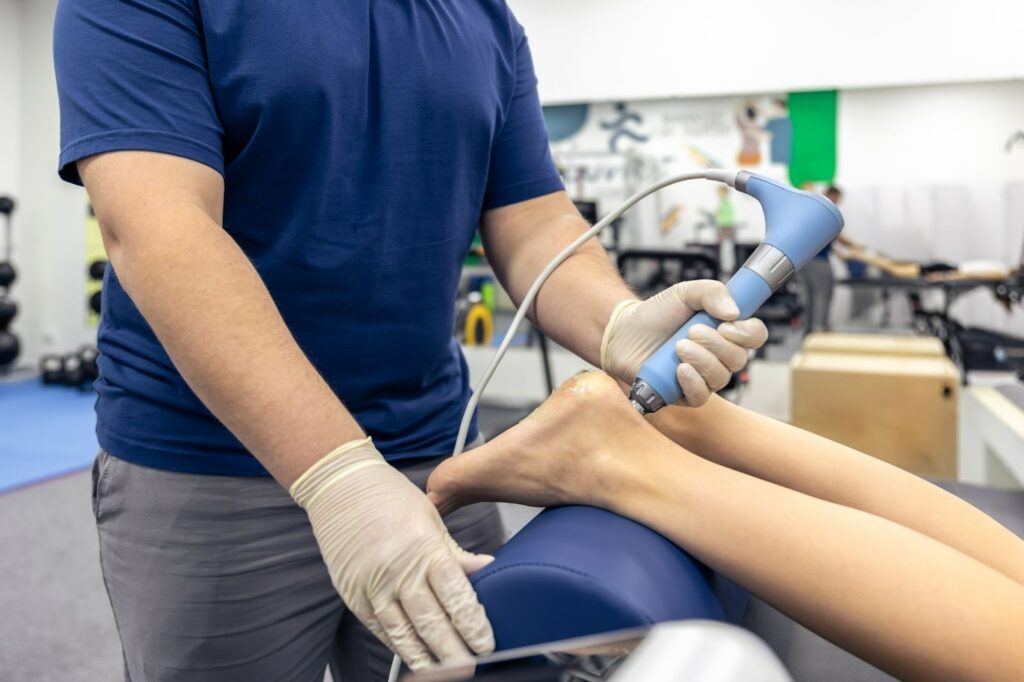
During a session, a handheld device delivers pulses of energy to the affected area of the heel. These sound waves help:
- Increase blood circulation in the area
- Stimulate tissue repair
- Break up chronic inflammation
- Encourage the body’s natural healing response
Each session typically takes about 10–20 minutes, and most patients can walk immediately afterward.

How Shockwave Therapy Helps Heel Pain
Shockwave treatment works differently from treatments that only focus on reducing inflammation. Instead, it aims to trigger the body’s natural repair process.
For patients with long-standing Plantar Fasciitis, the tissue may become thickened and slow to heal. Shockwave treatment for heel pain helps restart the healing process by stimulating circulation and tissue regeneration.
Patients often report:
- Reduced heel pain over time
- Improved mobility
- Less stiffness in the morning
- Better tolerance for walking and standing
Results are usually gradual and improve over several weeks as the tissue heals.
Who Is a Good Candidate for Shockwave Therapy?
Shockwave therapy may be recommended for patients who:
- Have had heel pain for several months
- Haven’t found relief with stretching, orthotics, or other conservative care
- Want to avoid more invasive treatments
- Are dealing with chronic Plantar Fasciitis
A podiatrist will typically evaluate your foot structure, gait, activity level, and overall health before recommending this heel pain treatment.
What to Expect During Treatment
A typical shockwave therapy plan involves multiple sessions spaced over several weeks.
Here’s what most patients experience:
- Evaluation – The podiatrist identifies the source of your heel pain.
- Treatment sessions – Acoustic pulses are applied to the painful area.
- Gradual improvement – Healing continues over the following weeks.
Most patients do not require downtime and can return to normal activities the same day.
Does Shockwave Therapy for Heel Pain Actually Work?
For many patients with chronic heel pain, shockwave therapy for heel pain has been shown to significantly reduce discomfort and improve function. Clinical studies have reported positive outcomes, especially for long-standing cases of Plantar Fasciitis that haven’t improved with other treatments.
However, results can vary depending on the severity of the condition, activity level, and how long the pain has been present.
The best outcomes usually happen when shockwave therapy is combined with a comprehensive heel pain treatment plan that may include stretching, footwear changes, and custom orthotics.
When to See a Podiatrist for Heel Pain
If heel pain lasts more than a few weeks or keeps coming back, it’s worth getting evaluated. Persistent pain may indicate conditions such as plantar fasciitis, tendon issues, or other foot problems that require targeted care.
At Advanced Foot and Ankle Wellness Center, our experienced podiatrists can determine whether shockwave treatment for heel pain is right for you and develop a personalized plan to help you get back on your feet comfortably.
Don’t let heel pain hold you back—schedule your consultation with Advanced Foot and Ankle Wellness Center today and take the first step toward lasting relief.